Build a weekly recall-and-practice routine
Combine short closed-notes attempts, targeted checking and exam-style practice without rebuilding your whole timetable.
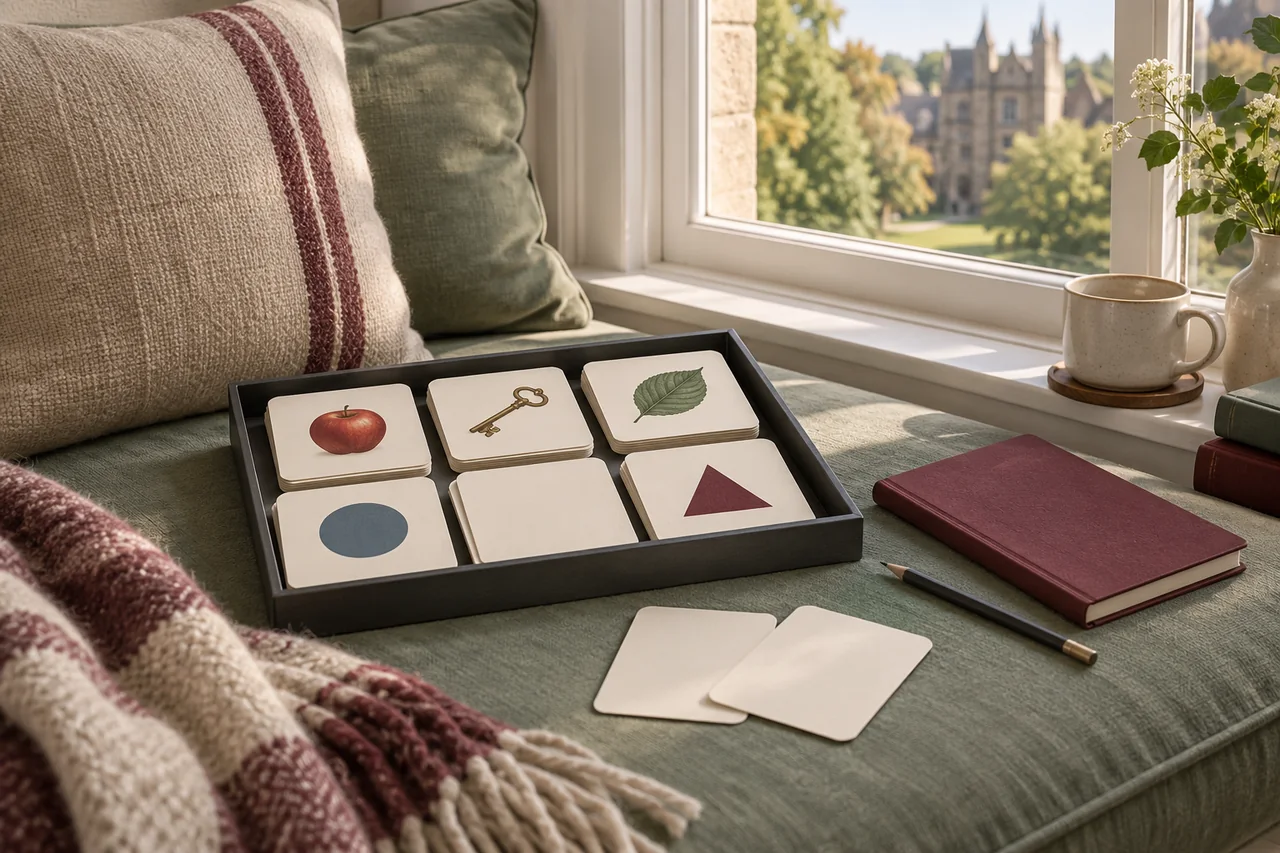
Choose a small, observable target
Start with a topic that will matter in your next lesson or assessment. Describe the target as an action: explain a mechanism, compare two arguments or complete a calculation. Avoid setting a target such as “know biology” because it gives you no practical stopping point. Choose a task small enough to attempt in one short session.
Make a simple record of your starting point. Try one relevant question before reviewing the notes. Write down which step stalled: remembering the concept, choosing a method, interpreting the wording or finishing under time pressure. This separates different problems that can feel like the same lack of confidence.
Attempt before you check
Close the reference material and make a genuine attempt. You can write a short explanation, draw the diagram or work through the question. When you are stuck, note what you expected the next step to be. An incomplete attempt still gives you something specific to compare with the explanation.
Then check an appropriate source. Correct the important gap in another colour or in a short comment. Do not count a copied answer as a successful independent attempt. The useful result is knowing what you could do and what you still needed help to do.
Schedule a second attempt
Put a later attempt into your existing week rather than filling every free hour. Use a new question or a slightly changed example. If you reproduce the earlier error, revisit the underlying idea; if a different error appears, update the practice target. This makes the second session responsive to evidence rather than a repeated reading session.
For example, practise identifying variables on Monday, check one worked investigation on Wednesday, and analyse a different graph on Friday. The exact spacing is a practical choice around schoolwork, not an official IB schedule.
Move into the assessment context
Once the basic task is manageable, attempt a question in the format you need to use. Read the command term, check the marks available and decide how much detail the response needs. Use a paper appropriate to your course and examination year. A familiar topic can still feel different when the question asks for evaluation rather than description.
Compare the attempt with relevant feedback or a markscheme. Identify where the method was sound but the communication was weak. Practise that particular response feature instead of assuming the entire topic needs to be relearned.
Review the routine at the end of the week
Keep the plan small enough to repeat. At the weekly review, choose what to retain, what to change and what requires a question for your teacher. Remove a task that no longer serves the target rather than treating every unfinished task as a personal failure. Your school timetable, coursework deadlines and rest still need space.
- What can I now attempt independently?
- Which error keeps returning?
- What evidence will show the next improvement?
- Which task is realistic next week?
Your next-step checklist
Checklist choices stay in this browser.
Official references
This is an original practical guide from IBvia. The examples are illustrative; your subject guide, assessment year and school instructions determine the requirements.
Keep working on your next step
Build a DP1 study system you can keep using
A practical weekly routine for lessons, independent practice and the first steps of longer IB projects.
Read the guide ↗
Turn DP2 deadlines into a workable plan
Work backwards from your school's dates, spot dependencies and protect time for revisions and exams.
Read the guide ↗