
Language A: literature
Close reading, literary interpretation and the choices that shape a text.
Resources & support
Share your level, language and examination session to confirm the right support.
Find your course, read free resources and explore the support available for your next draft.
Find your subject ↓
This is a course directory. Tell us your subject, language, level and exam session so we can confirm the appropriate support and tutor availability.
31 subjects · All groups

Close reading, literary interpretation and the choices that shape a text.
Share your level, language and examination session to confirm the right support.
How literary and non-literary texts create meaning for different audiences.
Share your level, language and examination session to confirm the right support.
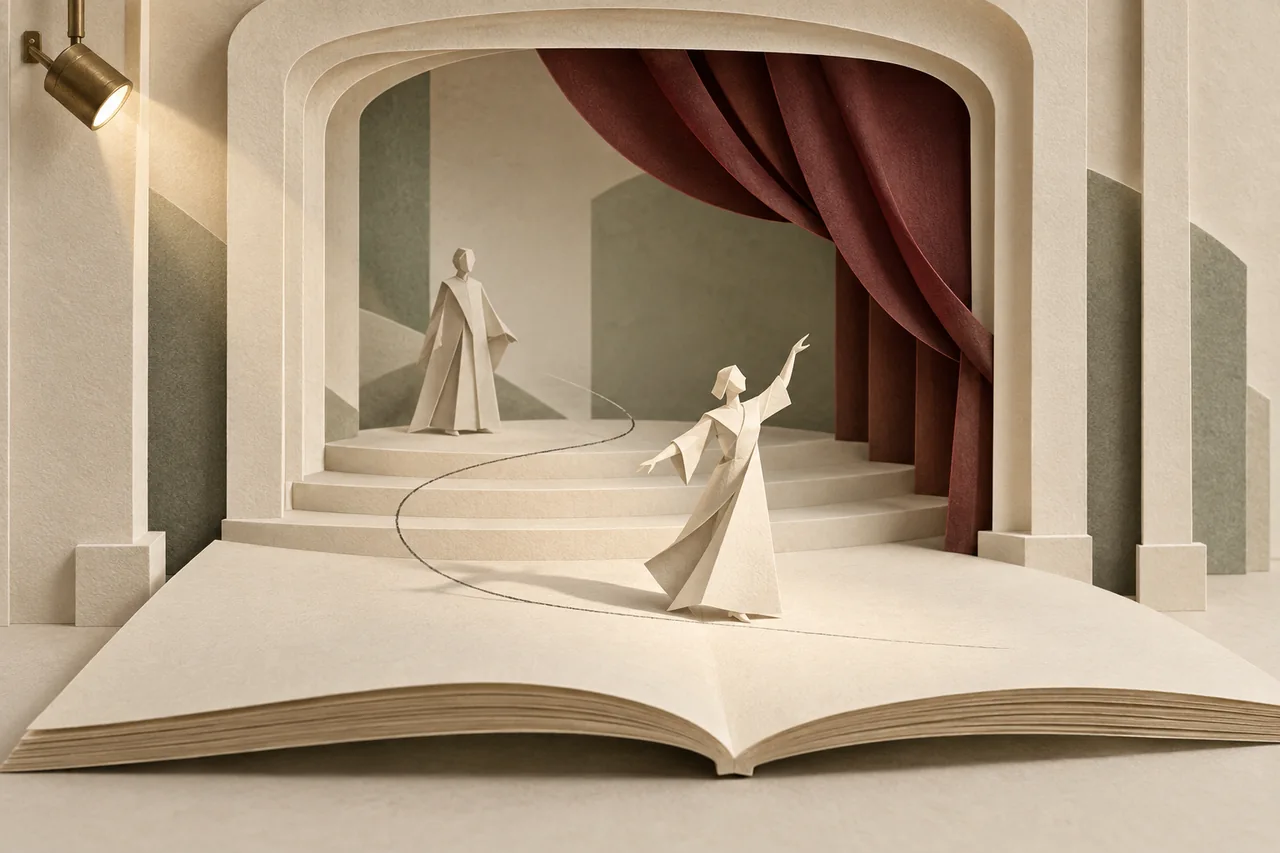
Explore the relationship between a written work and its transformation for the stage.
Share your level, language and examination session to confirm the right support.

Build communication, comprehension and cultural understanding in an additional language.
Share your level, language and examination session to confirm the right support.

Develop the foundations of a new language through everyday contexts and communication.
Share your level, language and examination session to confirm the right support.
Past papers:
Spanish ab initio ↗
Read classical texts through language, translation and their cultural context.
Share your level, language and examination session to confirm the right support.

Connect the language of classical texts with interpretation and the ancient world.
Share your level, language and examination session to confirm the right support.

Apply business concepts to decisions, organisations and changing markets.
Share your level, language and examination session to confirm the right support.
Investigate how digital systems influence people, communities and decisions.
Share your level, language and examination session to confirm the right support.
Use models and evidence to examine choices, markets and economic policy.
Share your level, language and examination session to confirm the right support.

Study the relationships between places, populations and physical environments.
Share your level, language and examination session to confirm the right support.
Explore power, rights and political challenges through concepts and real-world cases.
Share your level, language and examination session to confirm the right support.

Build historical arguments by weighing sources, interpretations and context.
Share your level, language and examination session to confirm the right support.

Examine philosophical questions by analysing concepts and evaluating arguments.
Share your level, language and examination session to confirm the right support.
Understand behaviour through psychological concepts, research and evaluation.
Share your level, language and examination session to confirm the right support.

Explore social life, culture and perspectives through anthropological inquiry.
Share your level, language and examination session to confirm the right support.

Study religious traditions, beliefs and practices in their wider contexts.
Share your level, language and examination session to confirm the right support.

Connect living systems with evidence, experimental methods and scientific explanation.
Share your level, language and examination session to confirm the right support.

Link structure and reactivity with chemical models, measurements and observations.
Share your level, language and examination session to confirm the right support.

Use computational thinking to understand systems, algorithms and solutions.
Share your level, language and examination session to confirm the right support.

Develop and evaluate design ideas through materials, prototypes and user needs.
Share your level, language and examination session to confirm the right support.

Investigate environmental systems and the human decisions connected to them.
Share your level, language and examination session to confirm the right support.

Translate physical questions into models, measurements and mathematical reasoning.
Share your level, language and examination session to confirm the right support.

Connect movement, performance and health with scientific evidence.
Share your level, language and examination session to confirm the right support.

Develop mathematical reasoning through algebra, functions, proof and calculus.
Share your level, language and examination session to confirm the right support.

Use mathematics, statistics and technology to interpret problems in context.
Share your level, language and examination session to confirm the right support.

Explore movement through composition, performance and the study of dance traditions.
Share your level, language and examination session to confirm the right support.

Explore how cinematic choices create meaning through analysis and filmmaking.
Share your level, language and examination session to confirm the right support.
Connect listening, creating and performing across musical contexts.
Share your level, language and examination session to confirm the right support.

Explore theatre through research, collaboration and practical creative decisions.
Share your level, language and examination session to confirm the right support.

Develop visual ideas through art-making, investigation and reflection.
Share your level, language and examination session to confirm the right support.

Try a broader subject name, or clear the filters to see all 31 courses.

The DP core brings together the Extended Essay, Theory of Knowledge, and Creativity, activity, service. For EE and TOK, start with the task and its assessment requirements.
Language courses: Include the language when you enquire, such as English A, Chinese B or Spanish ab initio. Course and language availability vary.
Connections between groups: Environmental systems and societies connects groups 3 and 4; Literature and performance connects groups 1 and 6.
Course names follow the IB Diploma curriculum. Your school determines its course offering. Illustrations are original editorial artwork, not lesson diagrams or assessment evidence.