Make a holiday study plan that leaves room for a holiday
Choose a few useful outcomes, protect flexible time and avoid returning to school with an impossible backlog.
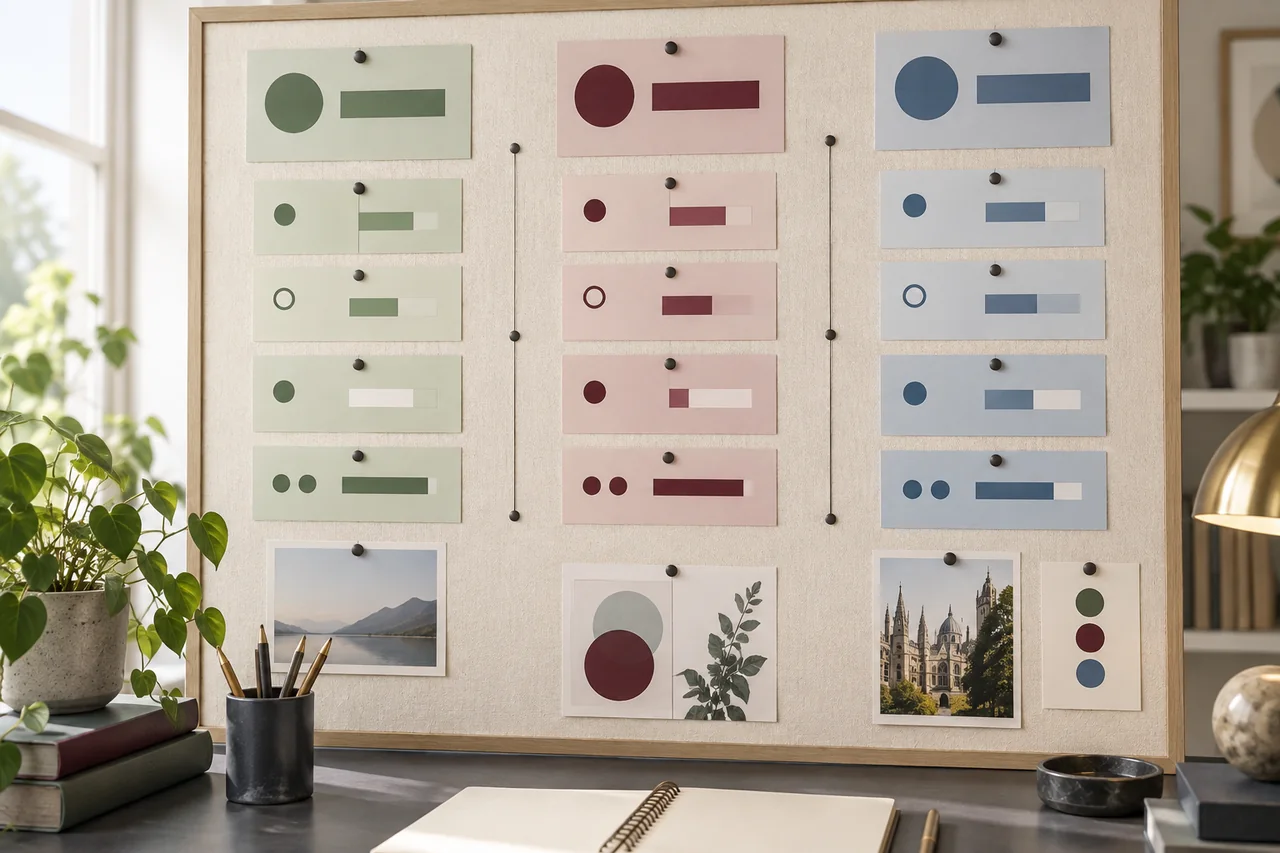
Start with the work that has a real deadline
List the school tasks, coursework checkpoints and upcoming assessments that fall before or soon after the break. Record the source of each deadline. Separate required tasks from ideas you would like to explore. This prevents an attractive new resource from taking all the time needed for work you must actually complete.
Estimate each task in sessions rather than pretending you know its exact duration. A research task might need finding sources, checking them and discussing the question, not simply writing for two hours. Leave room for a step that takes longer than expected.
Choose a small set of outcomes
Name what would make the break useful. For example, finish a literature reading section, clarify an EE question with an evidence list or review one weak mathematics topic. Choose outcomes you can verify. “Revise every subject” is an ambition, but it does not tell you where to begin or when a session is complete.
Discuss the plan with your teacher where coursework depends on approval or feedback. A holiday is not a reason to bypass a school checkpoint. Keep a list of questions you need answered before the next stage of the project.
Put work around the actual calendar
Mark travel, family commitments, work and the days you want to leave free. Place a few study sessions in the remaining time. A plan based on a normal school week may not fit a holiday in another time zone or a shared home environment. Choose a location and a session length that you can realistically use.
Keep an alternative task for a disrupted session. Reading a short source or planning the next calculation may be possible when a long uninterrupted writing block is not. Avoid treating a changed day as a reason to discard the whole plan.
Use a clear start and finish for each session
Write the first action before the session begins. It could be opening the marked question, identifying three possible sources or attempting one practice problem. At the end, record what is complete and the next action. This makes it easier to restart after a day away.
If a task stalls, identify the obstacle. You may need a different source, access to equipment or a teacher’s answer. Put that need in the plan instead of repeatedly scheduling a task you cannot currently carry out.
Review before school resumes
Leave a short session near the end of the break to organise completed work and prepare the next school week. Compare the outcomes with the original priorities, then decide what still needs attention. Do not fill the final evening with every task you imagined doing.
Bring a concise progress record into the next teacher conversation. Showing what you tried and what remains uncertain is more useful than returning with a vague feeling of having studied for many hours.
- Required deadlines before optional projects.
- A few observable outcomes.
- Sessions fitted around the real calendar.
- A restart note after each session.
Your next-step checklist
Checklist choices stay in this browser.
Official references
This is an original practical guide from IBvia. The examples are illustrative; your subject guide, assessment year and school instructions determine the requirements.
Keep working on your next step
Build a DP1 study system you can keep using
A practical weekly routine for lessons, independent practice and the first steps of longer IB projects.
Read the guide ↗
Turn DP2 deadlines into a workable plan
Work backwards from your school's dates, spot dependencies and protect time for revisions and exams.
Read the guide ↗