What the investigation does
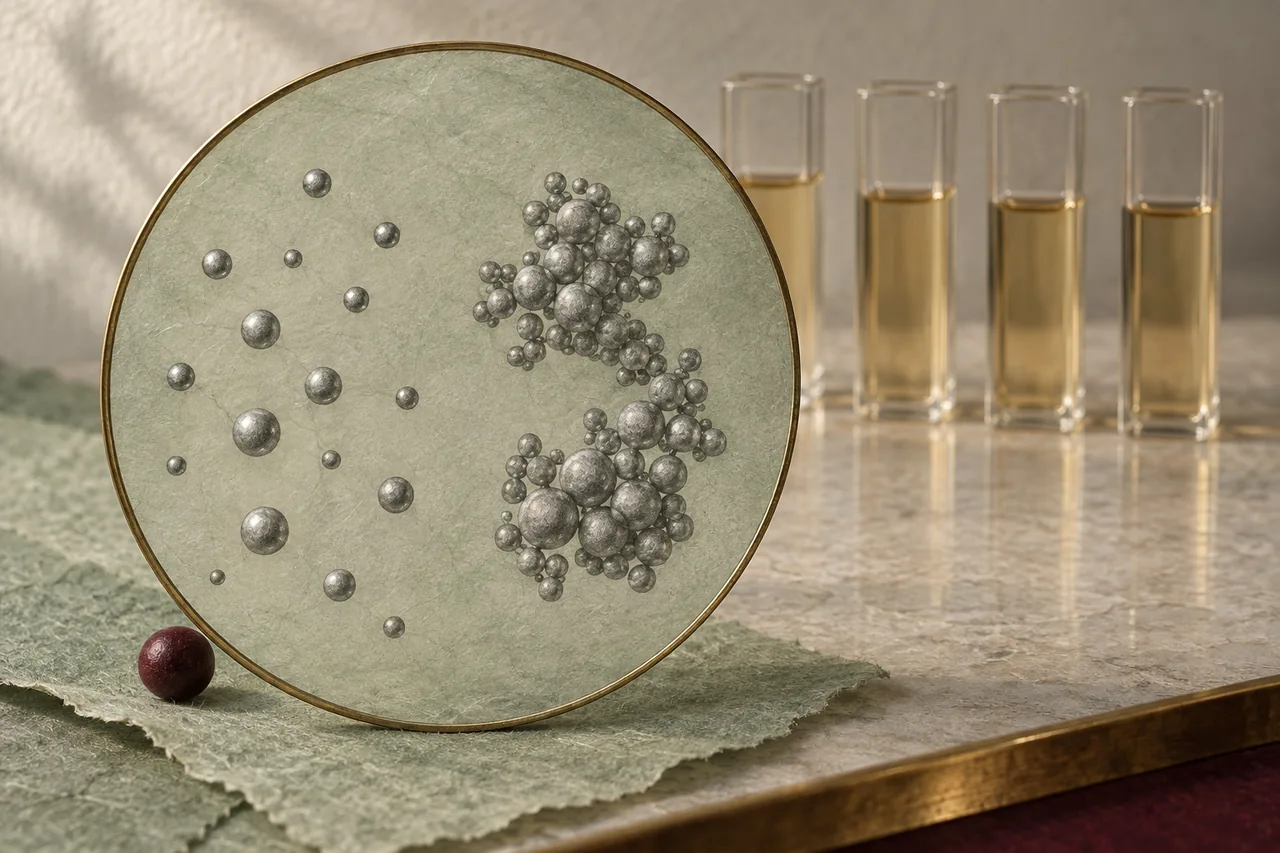
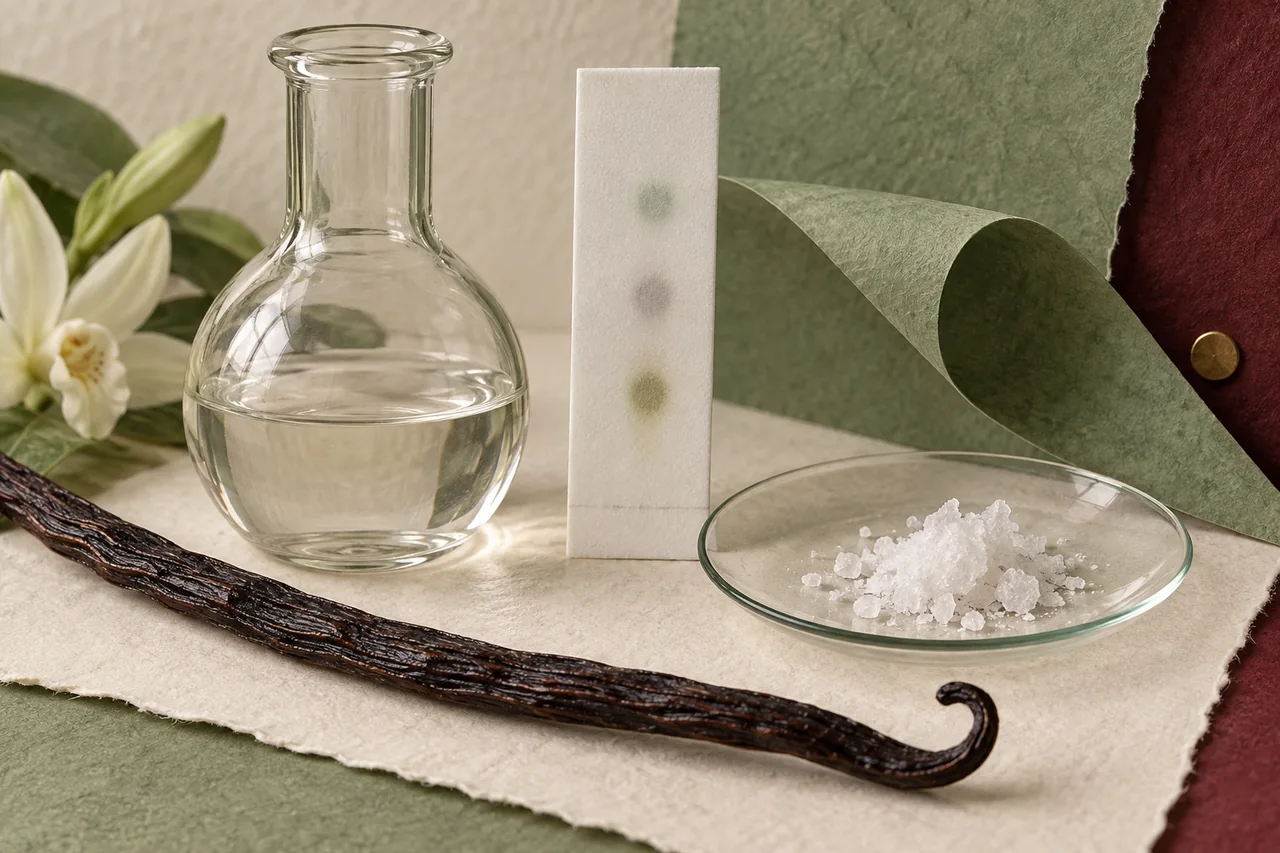
A two-factor experiment examines how ultraviolet light and cyanuric-acid stabilizer change hypochlorite decay in pool water.
What the examiner response highlights
The two-by-two design separates the individual and combined effects of UV exposure and stabilizer.
Complementary analytical methods answer different parts of the research problem instead of duplicating one measurement.
Rate analysis is connected to the practical tradeoff between chlorine stability and effective disinfection.
What to examine critically
The original design needs stronger replication and tighter control of pH, temperature, timing and UV intensity, with uncertainty carried through the analysis.
The legacy procedure includes hazardous reagents. Any modern investigation needs a documented risk assessment, qualified supervision and safer alternatives where possible.
How to use this example
Study the decisions behind the work: how the question is narrowed, what counts as evidence in this subject, how the line of argument develops, and where the evaluation becomes specific. Do not copy its wording, structure or method as a template.
Assessment changes for first examination in May 2027 redesign the criteria around the essay framework, knowledge and understanding, analysis and argument, discussion and evaluation, and reflection. Always check the requirements for your own session.
Essay & examiner commentary
Read online or save both PDFs to study alongside this breakdown.
Source & assessment context
These files come from the IB’s 50 More Excellent Extended Essays (2011). The essay and commentary retain their original attribution. Consult the current guide for your assessment session.
IB Extended Essay resources ↗Current Extended Essay updates ↗